All services

Inclusive decision making

Many organisations ask people with lived experience for their views. Fewer give them a real say in decisions. I help boards, committees and advisory groups design ways of working in which stakeholders and people with lived experience shape what is decided, and not only what is discussed.

Is this for you?

You may need this if

  • your board or leadership wants lived experience input but isn't sure how to make it count
  • you have an advisory group or reference group whose advice rarely changes decisions
  • you're considering lived experience board or committee members and want it to work for them and for you
  • your meetings, papers or processes are hard for some people to take part in
  • a funder, regulator or community is asking you to show how lived experience influences decisions

What I offer

  • Governance and lived experience review

    A practical look at how decisions are made now, where lived experience enters, and where it stops. You get clear findings and priorities.

  • Design and facilitation of lived experience mechanisms

    Advice on options such as board or committee seats, advisory groups and co-governance arrangements, including decision rights, roles, terms, and how people are recruited, supported and paid.

  • Accessible governance practice

    Making meetings, papers and processes work for people with different access needs, including Easy Read summaries and screen-reader-accessible documents.

  • Briefing and capability building

    Sessions for boards and executives, and for lived experience members, so everyone understands their role and can contribute confidently.

How it works

  1. Understand. We agree what you want to change and look at how decisions are made today.

  2. Involve. People with lived experience and decision-makers help shape the options, with sessions designed to be accessible.

  3. Design. We settle on arrangements that fit your organisation, including roles, support and measures of success.

  4. Embed and review. I support the first steps, then we check what is working and adjust.

Experience

Head of Programs and Consulting, Future Directors Institute

Clients in Australia, New Zealand and Mongolia

As Head of Programs and Consulting at Future Directors Institute from 2021 to 2024, I saw governance from the other side of the table. I delivered board assessments and supported change implementation for client organisations including Aboriginal corporations, large joint mining ventures and social service providers.

I also delivered training for aspiring and current directors, including live facilitated virtual courses for people under-represented in boardrooms. I developed FDI's first self-paced online courses to widen access to board training.
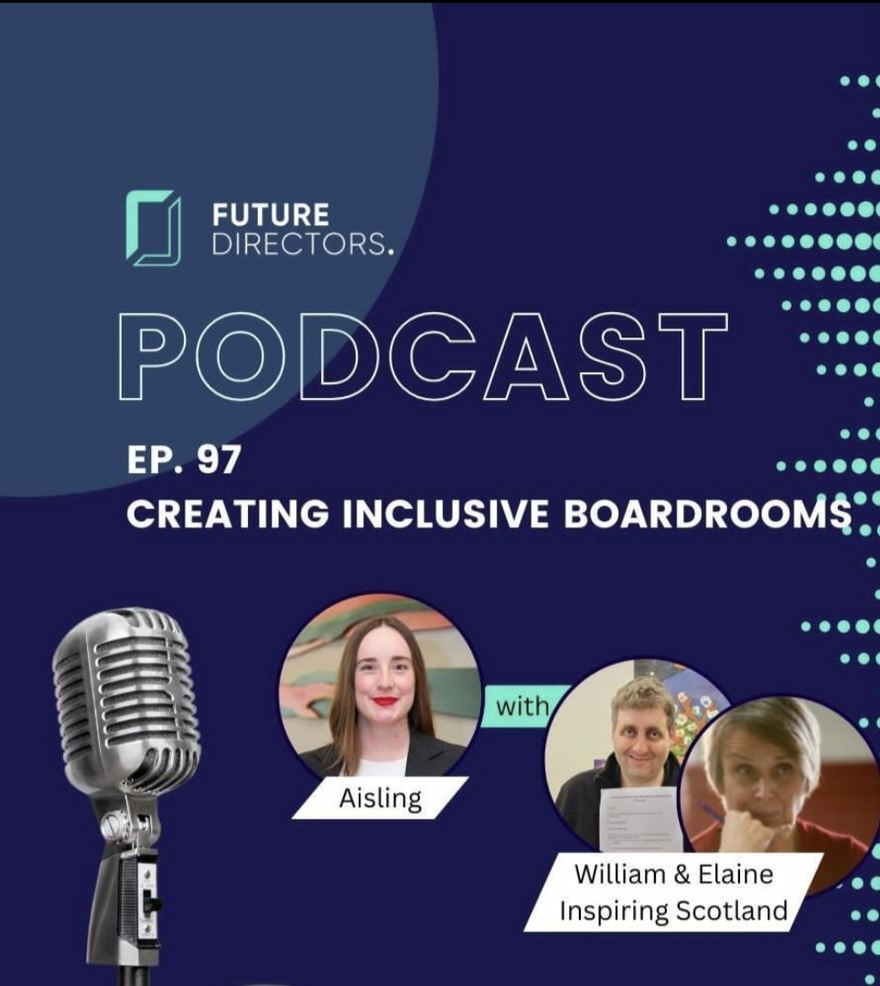
Promotional image for Future Directors Podcast episode 97, "Creating Inclusive Boardrooms", hosted by Aisling with William and Elaine from Inspiring Scotland.

Board and committee member, Australian Red Cross

Australia

I was a Non-Executive Director on the Australian Red Cross national board from 2019 to 2022, so I know governance from the board table, especially during difficult times such as the Black Summer bushfires and the COVID-19 pandemic.

For over 12 years, I took part in governance, decision-making, advisory, representative, and leadership roles at other levels of the organisation, including at the Pacific and international levels. As a result, I have first-hand experience of what makes collaborative and inclusive decision making work, and what gets in its way.

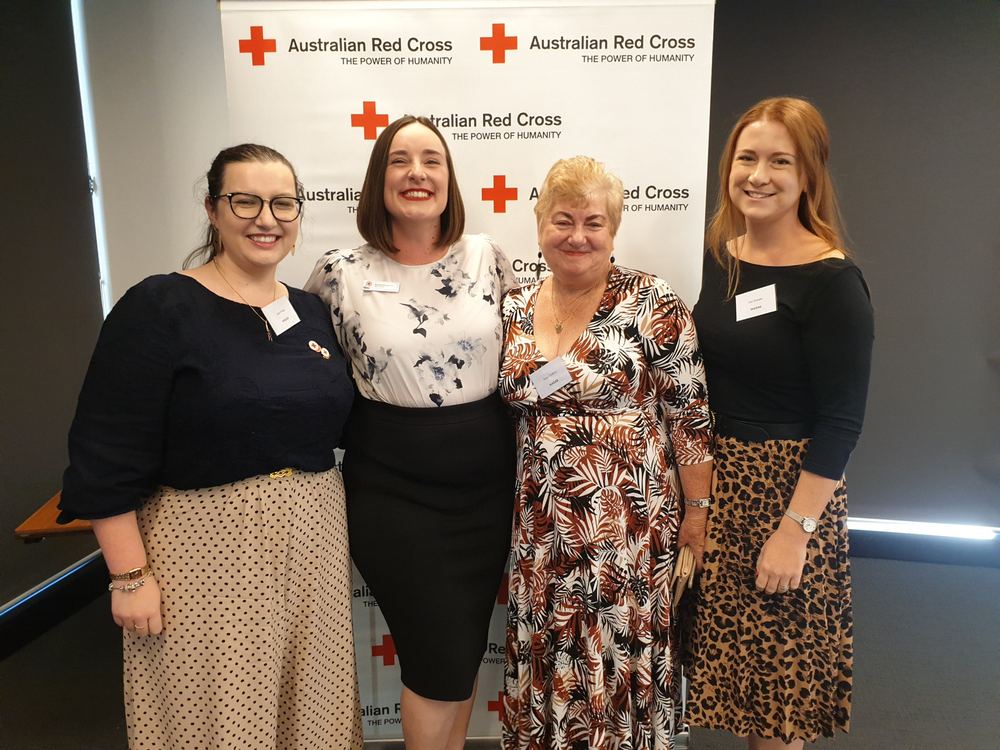
Aisling with three colleagues from the WA advisory board in front of an Australian Red Cross banner.

Frequently asked questions

What do you mean by "lived experience"?

People who have direct, personal experience of the issue an organisation works on, such as disability, mental health challenges or being a young person using services.

Does this mean putting a lived experience member on our board?

Not necessarily. A board seat is one option. Advisory groups, committees and co-governance arrangements are others. I help you choose what suits your structure, size and purpose.

How do you avoid tokenism?

Tokenism happens when people are added to an existing decision-making structure without changing how decisions are made. To avoid it, I work with you and your stakeholders to agree what lived experience contributors can influence, what support and payment they receive, and create a shared vision for inclusive decision-making. We then implement change at a sustainable pace for the organisation. I'll tell you plainly if a proposed arrangement looks tokenistic.

Can you work with our existing governance documents?

Yes. I review constitutions, terms of reference and policies as part of the work for coherence with modern good governance and inclusive practice. Please note I do not offer legal advice.

Do you work remotely?

Yes, I work fully remotely. I am able to travel to attend key events or sessions by arrangement, and I have work rights in Australia and the EU.