
Service optimisation & design
I help organisations review how a program or service works today, involve people with lived experience in working out what to change, test improvements on a small scale, and build the capability to keep going. This is participatory design of programs, services, policy and governance. It is not digital product (UX or UI) design.
Is this for you?
You may need this if
- a service isn't reaching, or isn't working for, some groups
- you're launching an initiative and want it shaped by the people it's for
- you've inherited a program and need to know what to keep, fix or stop
- you need principles, a framework or a strategy that people actually own
How it works
Review current practice. What happens now, for whom, and with what results.
Involve people. Workshops and consultation designed to be accessible to people from a wide range of backgrounds and experiences.
Test small. Build a credible minimum viable version and try it with real users before scaling.
Embed the change. Capacity-building, mentoring and handover so the change lasts.
Longer-term partnership
Optimisation works best over time. I offer longer-term engagements with regular review points: gather feedback, adjust, measure, repeat.
Previous engagements
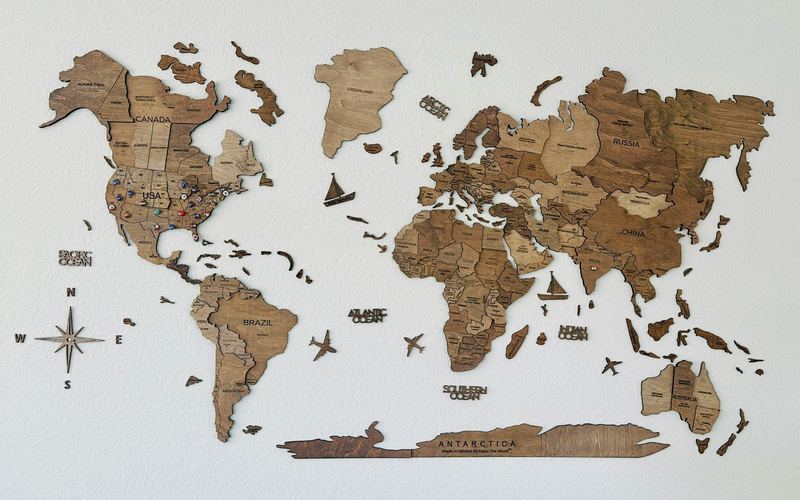
Principles to guide intergenerational collaboration
- Who
- Global member-based leadership organisation
- Where
- International
The principles were developed through a series of online workshops with 93 emerging and established leaders across 11 countries, building on earlier work. After each workshop, I presented the outputs back to the collective group of participants, so that everyone had the opportunity to check and refine the new insights before the next round. The result was a set of principles that the organisation's board formally adopted, giving the organisation and its members clear guidance on how to action intergenerational collaboration.
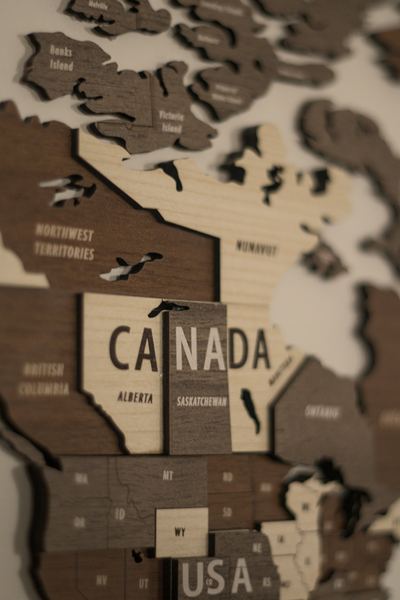
Youth crisis service redesign
- Who
- Community service provider
- Where
- Canada
Provided specialist co-design and youth mental health expertise to help redesign a youth mobile crisis response service. I synthesised a rapid review of 200+ sources into an insights report of under 2,000 words, facilitated learning conversations with leading international services, and supported local consultants to embed co-design methods, including empathy maps, personas, and participatory journey-mapping sessions to test potential service models with stakeholders on the ground.
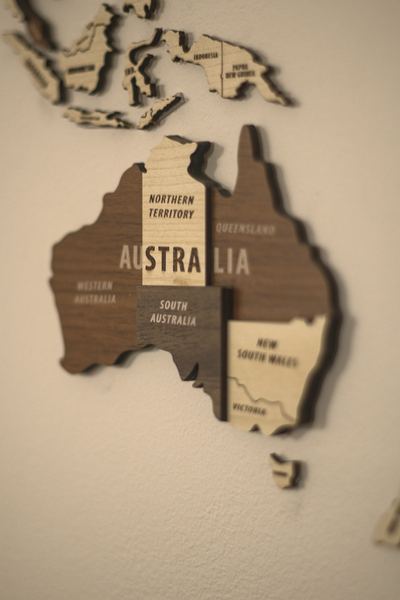
Strategic review of a youth suicide aftercare program
- Who
- Large mental health and disability service provider
- Where
- Australia
The review combined program document analysis with interviews and workshops involving 22 young people and lived-experience staff across four project sites. The process gave the organisation clearer insight into how and why the program's support was positively impacting young people, strengthening the organisation's ability to support peer workers to deliver flexible, responsive support.
Frequently asked questions
What is participatory design, and how is it different from consultation?
Participatory design involves the people who use a program or service in shaping what changes, not just in giving feedback on a finished proposal. In consultation, people respond to ideas you've already developed. In participatory design, they help diagnose the problem, generate options and test solutions with me.
What kinds of projects is this suited to?
Typical projects include redesigning a service that isn't reaching some groups, shaping a new initiative before launch, deciding what to keep, fix or stop in an inherited program, and developing principles, frameworks or strategies that people actually own.
What does "test small" mean?
Rather than designing everything in advance, I build a credible minimum viable version of the change and try it with real users before you commit to rolling it out. This surfaces problems early, costs less than fixing them after launch, and lets users see their input shaping the result.
Do you work with us after the design phase?
Yes, if you'd like. Optimisation works best over time, so I offer longer-term engagements with regular review points: gather feedback, adjust, measure and repeat. I also build your team's capability and hand over tools and methods so you can continue on your own.
How long does it take and what does it cost?
It depends on the scope: the size of the service, the number of participants, and whether you want a single project or an ongoing partnership. After an initial conversation I send a proposal with a clear scope, timeline and cost. Day rates are available on request.
Do you work remotely?
Yes, I work fully remotely. I am able to travel to attend key events or sessions by arrangement, and I have work rights in Australia and the EU.
Have an initiative to evaluate or improve?
Other services

Participatory Evaluation
Find out what is working, for whom, and why, with the people who know best.
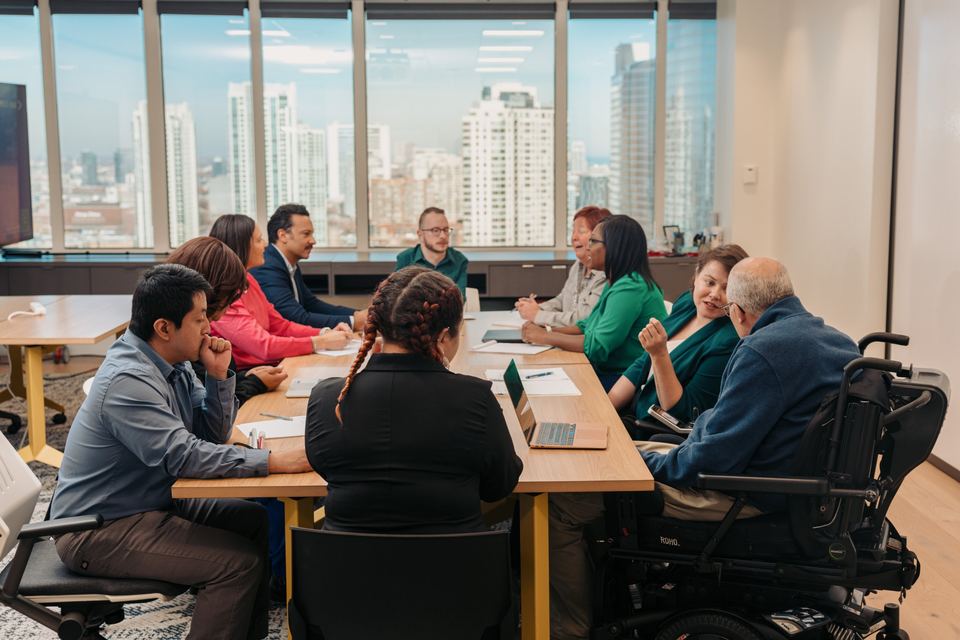
Inclusive decision making
Create spaces which genuinely involve and value all voices in decision making.

Funding & grants support
Clear, credible program designs and funding applications, aligned to purpose.